
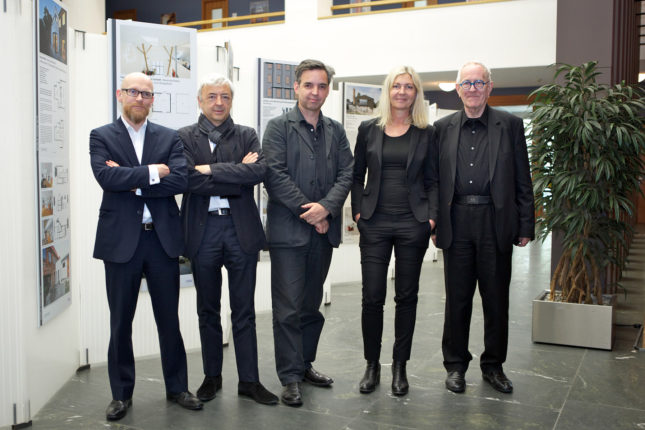
During the jury session under the chairmanship of Sir Peter Cook (Crab Studio, London, UK) on 8 May in Berlin, two first prizes and three special mentions were awarded.
26MAY
During the jury session under the chairmanship of Sir Peter Cook (Crab Studio, London, UK) on 8 May in Berlin, two first prizes and three special mentions were awarded.
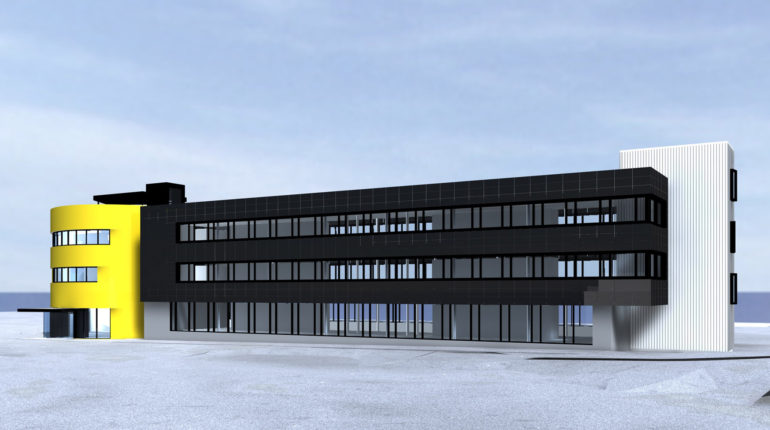
Sto’s mission is “Building with conscience.”: As a manufacturer of products and systems for building coatings, the company places great value on energy efficiency and aesthetic appeal. Sto not only implements this demand for sustainable construction and restoration on a daily basis with its partners, the architects, tradesmen, and investors around the globe, but also when it comes to designing its own buildings.
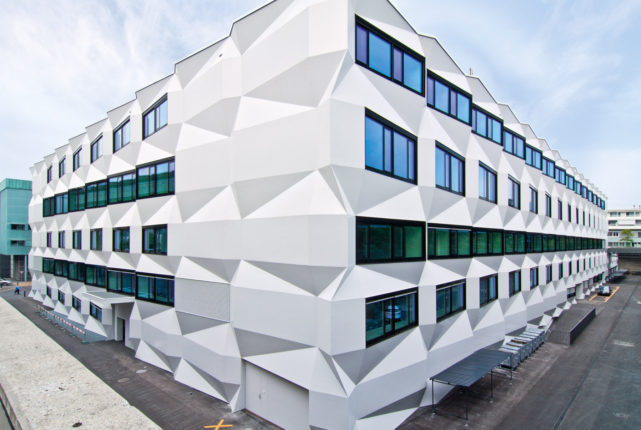
StoVentec systems allow us to work confidently with three-dimensional facade surfaces, which can be rendered seamlessly or covered with natural stone or ceramics. Planners are supported in their projects by experts from the Sto Group as part of a digital process chain, from planning right through to installation.
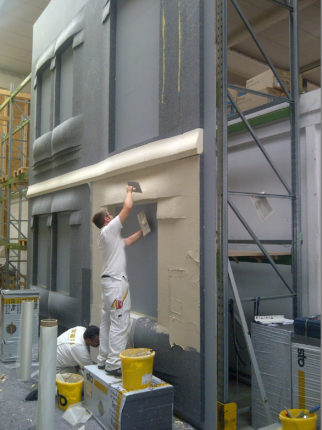
Just as new shapes and methods were developed in build-ing design during the transition from wooden construction to solid construction at the beginning of the 17th century, insulation construction techniques are also gradually developing their own aesthetic appeal. In their now-completed research project, Faraneh Farnoudi and Andreas Hild focused on the subject of design possibilities, giving significant momentum to the debate.
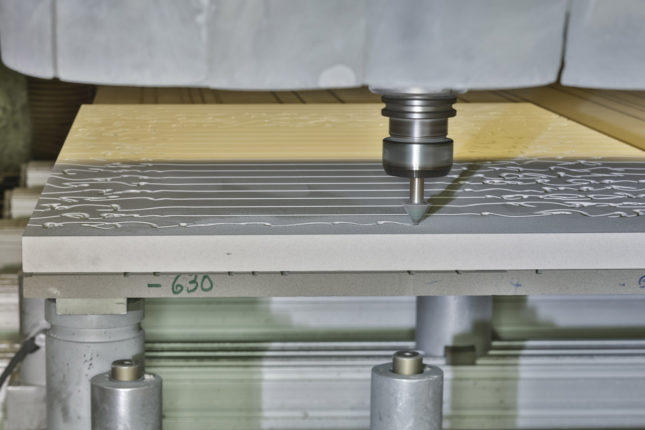
In contrast to mere embellishments, the modern conception of ornamentation has real significance. It conveys a poetic, explanatory, historical, or symbolic message – but it is more than just decor. It is an expression of individual architectural design and, as a product of a digital process chain, is characterised either by serial precision or by uniqueness. Using the mineral material Verolith, modern facade elements establish a contemporary iconography of the facade.
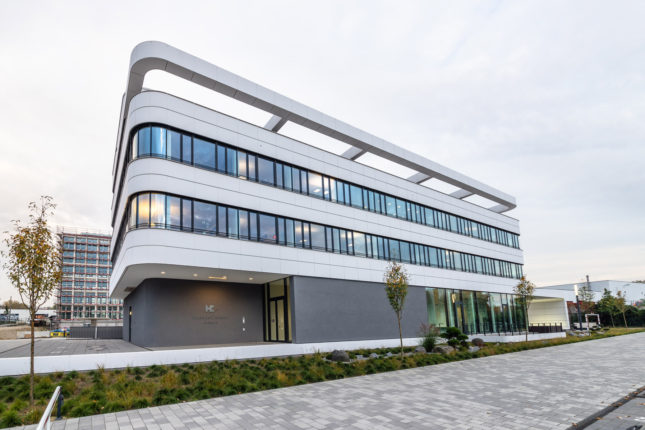
Mineral-filled acrylic glass (PMMA) can do significantly more than “normal” plexiglass could before. It can be shaped as required and seamlessly bonded; it is weather and UV-resistant, and simple to clean. What’s more, it’s easy to install and doesn’t need to be reground on the construction site. In short: it’s the perfect solution for rainscreen cladding facade constructions. And it’s ideal as a media facade.
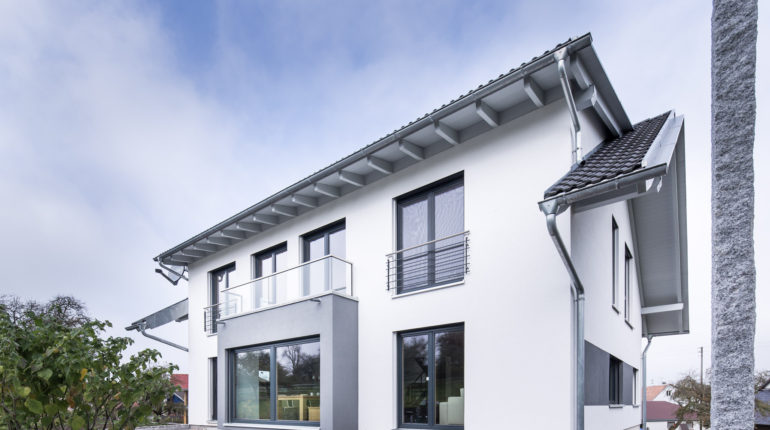
There is an increasing demand for natural protection against algae and fungi on the facade without biocidal film preservative. The new StoSilco blue finishing render for the StoTherm Classic S1 non-combustible facade insulation system inhibits microorganisms from attacking by using natural principles that include optimising the water balance and reducing bioavailability.
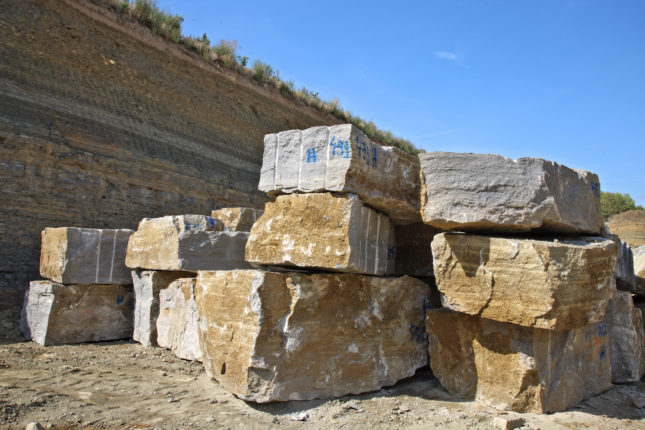
Five different types of limestone, three coordinating formats, and direct application to the insulation system all make for a great level of variety on the facade. The natural stone slabs approved for the StoTherm Mineral and StoTherm Vario facade insulation systems make it possible to combine modern thermal protection with timeless beauty and durability.
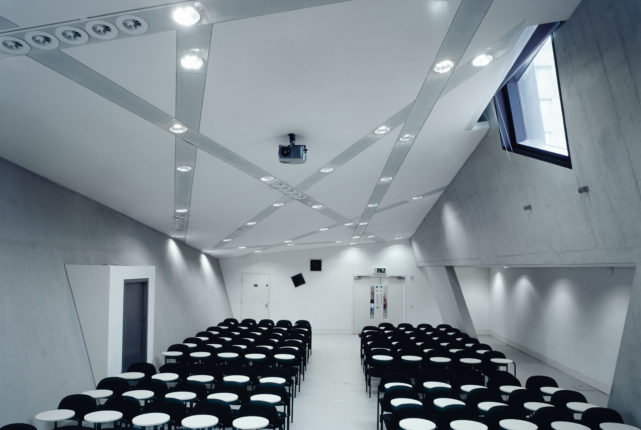
Rooms are different and are used for different purposes; that’s why every room needs individual acoustic concepts. The StoSilent product programme offers four tried-and-test systems whose variations ensure acoustic wellbeing – in schools, offices, and quiet areas alike.
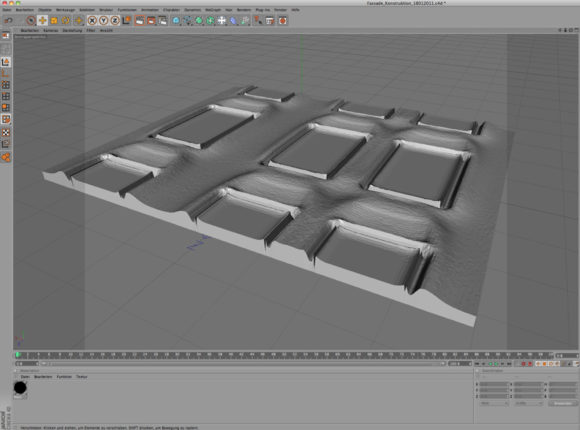
Should the appearance of an insulated facade reflect its function? Those involved in the research project on EWIS modulation say ‘yes’! At BAU 2013, the World’s Leading Trade Fair for Architecture, Materials, Systems, in Munich, they will present an entirely new approach to the design of facade insulation.